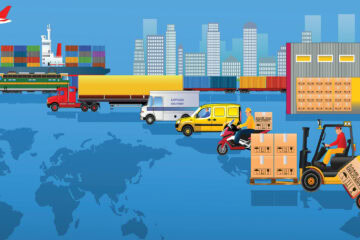
What AI Analytics Are Revealing About Your Supply Chain
AI analytics in the supply chain are revealing something many manufacturing and wholesale leaders have suspected for years: unto 50% of logistics cost is concealed.
In the fast-paced world of logistics, digital twins in warehouse management are transforming how facilities operate, driving efficiency, safety, sustainability and agility. By bridging the physical and digital worlds, digital twins enable managers to optimize operations and reduce costs. At the same time, they meet the dynamic demands of modern commerce, particularly in e-commerce.
The world grapples with the escalating effects of climate change. Companies are increasingly turning to carbon accounting and decarbonization strategies to reduce their environmental footprints. How Carbon Insetting decarbonises value chains today, using innovative tools.
Supply chain disruptions keep on coming, but companies seem to be reducing their efforts to enhance resilience. Research suggests that CEO’s with prior experience in high-level supply chain roles might be the key to building more resilient supply chains and drive better financial results.
As businesses face increasing pressure to minimize their ecological footprint, sustainable warehousing offers a compelling pathway to meet regulatory demands and achieve substantial cost savings. But how to implement and improve sustainable warehousing operations? What are the challenges and how can they be overcome?
With growing global complexity in supply chains, companies have recognized that it is not possible to maintain competitiveness on their own. Therefore, outsourcing to third-party supply chain management (SCM) providers is an important strategic tool to focus on their core competencies and access global resources. But how can outsourced SCM create more value?
The transport and warehousing sector is less productive than in 2015. Dutch productivity growth between 2012 and 2022 was barely half the EU average. Investing in digitization and accelerating the fuel transition are therefore necessary, to improve productivity in the Dutch transport sector.
Supply chain leaders and Chief Supply Chain Officers (CSCOs) are set to benefit from numerous exciting advancements in technology, providing them with opportunities to support new business models, augment and automate decision making, and foster ecosystem collaboration. But what makes Global Supply Chains successful in 2024? What are the main success drivers?
Over 90% of a business’s greenhouse emissions stem from its supply chain network. Managing supply chain sustainability, therefore, is pivotal in reducing the organisation’s carbon footprint. Sustainable supplier management works to identify and mitigate sources of risk throughout the supply base and helps you drive your sustainability efforts.
Even the sturdiest supply chains are vulnerable to seismic shocks, whether due to groundbreaking technological advancements, geopolitical shifts, or global crises. Amid these sources of turbulence, artificial intelligence (AI) can be a game-changer, offering a source of rapid response and sustainable solutions to keep supply chains strong.